
Purple color for food options using sweet potato concentrate naturally
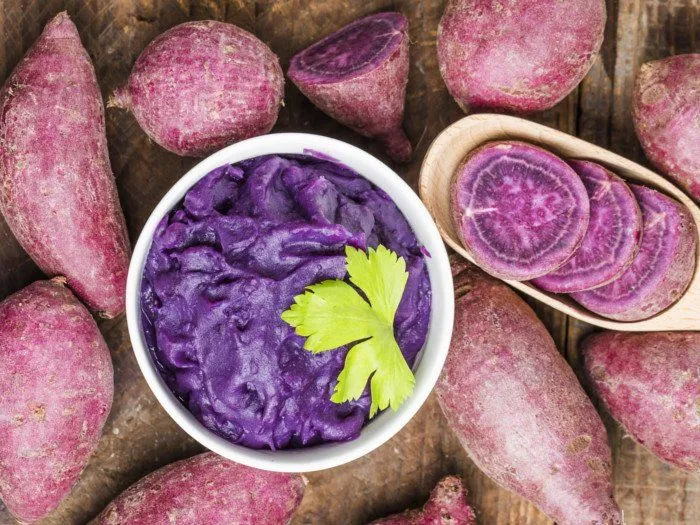
Today, food manufacturers are trying to find manufacturers of cleaning agents. Artificial shades still exist everywhere, but buyers read packaging more carefully now. That changed product development in many industries very quickly. Purple-colored food ingredients from vegetables started getting more attention because they feel more familiar to customers. Sweet potato sources also work across different recipes without creating extremely strong odors during production. Some manufacturers prefer sweet potato concentrate because the ingredient already contains naturally rich pigments with stable visual performance.
How sweet potato concentrate works inside food products
Color stability always depends on processing temperature, storage conditions, and acidity levels. That part gets overlooked surprisingly often during product planning meetings. Sweet potato concentrate usually performs better in soft-baked items, fillings, frozen desserts, and drink blends with balanced pH conditions. Some companies combine it with fruit concentrates for deeper tones without changing overall flavor too heavily. Using the purple color for food applications from vegetables can also support cleaner packaging language, which many snack and beverage brands currently prefer for modern retail shelves.
Common products using naturally purple food coloring today
Many frozen desserts now include vegetable-based pigments instead of synthetic alternatives entirely. Yogurt cups, sandwich creams, candy coatings, bakery icings, and flavored beverages all use natural shades more frequently now. A strong purple color for food presentation helps products stand out immediately on crowded supermarket shelves. Some processors concentrate on sweet potatoes because they are made in recipes that do not cause too many texture problems at some point in production. Even smaller cafes and local dessert kitchens are now exploring vegetable-based and entirely colorful compositions for seasonal menus.
Storage conditions can change the final appearance quickly
Natural pigments react differently compared with synthetic food coloring materials during transportation periods. Excess sunlight, exposure to oxygen, and steam cooling can also weaken visual acuity much faster than expected. Companies vet almost every batch carefully before economic distributions begin. Sweet potato concentrate must survive under managed storage conditions to maintain peak stability for a long time. While manufacturers rely heavily on purple for food promotional images, even moderate fading can affect customers’ perceptions of in-store snapshots and, later, online.
Choosing ingredients depends on manufacturing requirements first
Each manufacturing facility handles materials differently according to machine and recipe structure. Occasionally, powder formats give a good picture of dry blends, even when liquid concentrates clearly fit beverage systems sometimes in the blends. Some manufacturers prefer sweet potato concentrate because it can add to current production streams without major changes to operations or additional machinery costs. The desired purple color for food outcomes also matters since lighter lavender tones require different concentration levels compared with darker violet product appearances across bakery and confectionery applications.
Conclusion
Natural coloring ingredients continue growing across beverage, bakery, dessert, and packaged snack industries worldwide. foodrgb.com shares ingredient options that fit modern manufacturing demands without relying heavily on artificial-looking shades or overly complicated formulations. Businesses using the color purple for food solutions often test several raw material combinations before selecting the best commercial match for stability and appearance goals. Sweet potato concentrate remains one practical option for brands wanting vegetable-based coloring support across different product categories. Review ingredient compatibility carefully, test small production batches properly, and consult experienced suppliers before finalizing large-scale food manufacturing decisions.


