
Why Popcorn Is a Harder Color Job Than It Looks
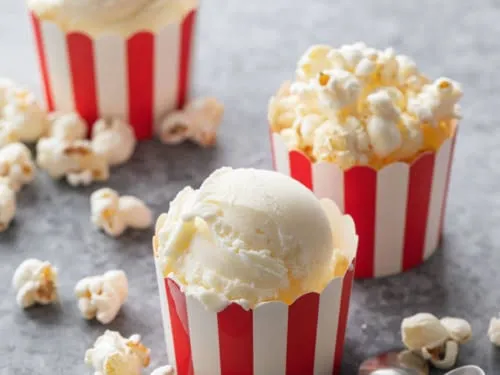
Popcorn sells on looks before it sells on taste. The golden glow of a cinema bag and the cheddar orange of a gourmet tin both start with a food color powder clinging to a kernel that is, frankly, a poor surface for anything to cling to. Light, dry, irregular and full of nooks, it behaves nothing like a gummy bear.
What Makes the Surface So Difficult
Each popped kernel is a brittle foam with a rough, uneven skin. Color has to settle into folds and ridges without making the piece soggy or heavy, and it has to survive a tumbling drum afterward. A bag of popcorn is mostly air, which makes every gram of seasoning matter.
On top of that, the pigment must ride alongside oil, salt and flavor, and every one of those competes for the same limited surface. Add too much of anything and the kernel turns greasy or dull.
Dry Seasoning or Oil-Based Coating?
Two routes dominate. Topical seasonings are tumbled onto freshly popped corn, while oil- or butter-style coatings carry the color in fat and spray or drizzle it on, which gives a more uniform look.
A Popcorn color powder works best when it is blended into the seasoning with a particle size close to the rest of the mix. Coarse particles fall to the bottom of the bag, and very fine ones can cake together.
Heat, Oil and Fading
Once popping is over, heat is usually less of a worry than light and oxygen. Fats that slowly go stale can pull the color toward a duller tone as the weeks pass, even when the pigment itself is stable.
Clear bag windows look attractive on a shelf and quietly speed up fading. Ask packaging teams about film barriers early in the project, not after the first complaint arrives from a retailer. Fixes are cheap before launch and costly after it.
Shelf Life Inside a Bag
Test finished popcorn in its actual package, stored under ordinary retail lighting. A sample kept in a drawer tells you very little about a bag hanging under bright store lights for two months. Humidity in the warehouse plays a part as well.
Check at fixed intervals and photograph each time against a neutral card. Drift that is invisible from week to week becomes obvious when you lay the photos in a row across a month. Do not rely on memory.
Testing on the Line
Start with a small batch in a lab tumbler and note tumble time, speed and dosage. Scale up only after the shade holds across several runs, since a pilot drum rarely behaves like a full production tumbler.
Judge color by eye and with a colorimeter if one is available. Uneven coverage is easy to miss in a single handful, so sample from the top, middle and bottom of the batch. A short checklist taped beside the tumbler keeps the routine honest.
Flavor and Color Moving Together
Customers expect cheese popcorn to look like cheese, caramel to look like caramel. Color sets the flavor expectation before the first bite, so a pale or patchy shade can make a good seasoning taste weaker than it is.
Run a quick sensory check with colleagues who do not know the recipe. If they guess the flavor wrong from the color alone, the shade needs another look. Their reaction is cheap data.
Choosing Colors for Common Popcorn Styles
Butter and cheese styles lean on warm yellows and oranges, caramel on browns, and novelty flavors on playful reds and purples. Each shade comes from a different pigment source with its own habits.
Match the pigment to how the popcorn will be sold. Gourmet tins stay in stores for months and need steadier colors than a bag popped fresh in a theater.
When Scale-Up Goes Wrong
Small lab batches behave nicely, then the first production run shows pale patches. Tumbler speed, fill level and humidity in the room all influence how color distributes.
Walk through the first full run with the quality team watching. Notes taken during that shift are worth more than any projection from a bench trial.
Final Word
Popcorn rewards patience. Matching particle size, protecting the bag from light and testing on real packaging solve most color problems before they ever reach a shelf, and they are inexpensive steps to build into a development plan.
If you are weighing options for a snack line, the range listed atfoodrgb.com is a practical place to start.


